8 Ways AI Fixes the Patient Referral Pipeline, EHRs Alone Keep Failing




The patient referral pipeline stands as one of healthcare's biggest bottlenecks, directly impacting how quickly patients access specialized care and how much revenue providers capture. This process moves patients from primary care physicians to specialists through distinct phases: creating the referral, submitting it, scheduling appointments, delivering care, and communicating results back to the original doctor.
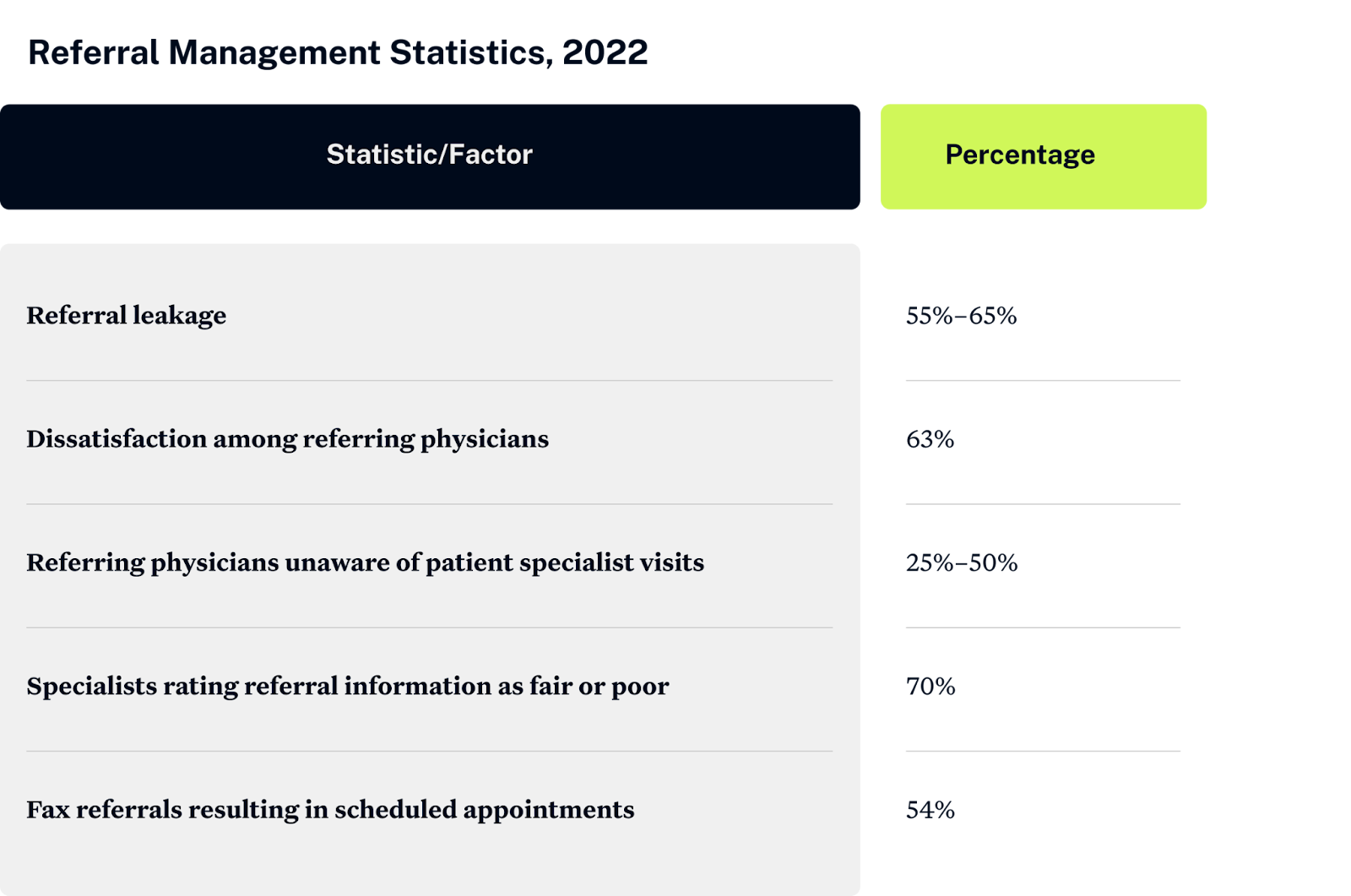
When everything works properly, patients receive timely specialty care while their primary doctors stay informed. However, reality looks different. Most referrals originate from primary care visits, creating enormous volume that existing systems struggle to manage. A majority of referrals never reach the intended specialist. Patients either see different doctors or give up entirely. A significant portion of referrals never convert to actual appointments, leaving many patients without the specialized care they need.
Problems appear everywhere. Referrals disappear between offices. Manual scheduling takes weeks. Patients miss callbacks or forget to follow through. Referring doctors never hear updates about their patients. Each breakdown costs providers revenue and delays patient care.
AI can fix these problems through smart automation, predictions, and data analysis that traditional systems cannot provide.
Why the Referral Pipeline Breaks Inside Traditional EHR Workflows
EHRs handle documentation well. They record who made the referral, when it happened, and why the patient needs a specialist. But finishing a referral requires more.
Someone needs to make calls, check insurance, look up when providers are free across different offices, reach out to patients over and over, and keep following up. EHRs don't do any of this coordination stuff. Staff dig through records by hand, spend all day calling people, fire off reminders however they can, and keep track using spreadsheets or just remember things. When phones won't stop ringing, or good employees quit, referrals get lost.
What an AI-Orchestrated Referral Pipeline Looks Like
AI systems handle everything from the first referral to the finished appointment. They collect information, send referrals to the right providers based on what patients need and who's available, book appointments, keep patients engaged with personalized messages, and help staff handle complicated cases in real time.
The 8 Ways AI Fixes Referral Breakdowns
1. AI Captures and Normalizes Referral Intake Automatically
Referrals come through faxes, phones, patient portals, and direct messages, each with different formats. AI collects details from all sources, standardizes information automatically, and flags missing pieces, avoiding delay.
2. AI Routes Referrals to the Right Specialty, Location, and Provider
Most referral systems don't show which providers are available, what they specialize in, or how they perform. Doctors rely on old directories and personal connections. AI creates real-time visibility into provider networks. Algorithms analyze documentation, research, and case histories to build detailed profiles and match patients with the right specialists.
3. AI Accelerates Scheduling for Referred Patients
Manual scheduling bottlenecks the entire process as staff coordinate across providers while playing phone tag with patients. AI examines patterns in appointments, provider calendars, and facility resources to cut wait times. Patients can self-schedule any time through conversational interfaces, significantly cutting down appointment wait time.
4. AI Keeps Patients Engaged Throughout the Referral Journey
Patients lead complicated lives. They forget appointments they made weeks ago, lose the prep instructions, or just lose interest during the wait between seeing their regular doctor and the specialist. AI spots patients likely to drop off by analyzing transportation access, insurance status, and appointment history. Automated messages deliver confirmations, instructions, and reminders through each patient's preferred method.
5. AI Supports Access Staff with Real-Time Copilots
Experienced schedulers also face tough situations. Insurance rules fight with each other. Some patients need to see multiple specialists in exactly the right order. AI guides staff through these messy cases one step at a time, showing them exactly what matters when they need it and making sure everything follows the rules. Smart tracking sends updates to everyone automatically, so nobody wonders what's going on.
6. AI Identifies Bottlenecks and Referral Leakage
Most organizations know referrals leak, but can't pinpoint where or why. Analytics show the actual problem spots: which referring doctors send referrals that never work out, which specialists can't get patients in quickly enough, and where in the process patients throw in the towel. With these specifics, leaders can fix real issues instead of trying random solutions that don't help.
7. AI Scales Referral Operations Without Scaling Headcount
Referral volume changes with seasons. New offices open up. More doctors start referring. Traditional models mean hiring and training more staff, which takes time and money. Automation deals with these ups and downs and takes care of referrals that come in after hours, all without needing more employees.
8. AI Enables Governance, Compliance, and Human Oversight
Faxes, unsecured emails, and paper handoffs create security vulnerabilities and HIPAA risks. AI builds protective walls that keep data locked down while still letting information get where it needs to go. These systems catch and block wrong sharing before it happens, automatically redact sensitive details, and write down every single move for audit records.
Measurable Business Outcomes of an AI-Driven Referral Pipeline
Health systems running AI pipelines see real results: patients get care faster, fewer referrals disappear, more referrals become actual visits, and staff get more done. They cut appointment wait time, keep referrals in-house instead of watching them go to competitors, and deal with 30% more referrals using the same number of people. Every completed referral means captured revenue and prevented competitor wins.
The Future of Referrals Is Autonomous, Not Manual
What's coming after EHR systems is autonomous coordination that actively manages getting patients from referral to completed care. Organizations running proactive, patient-focused access systems will capture volume their competitors lose to friction and poor experiences.
See AI Referral Orchestration in Action
The global referral management market will reach $42.7 billion by 2033, according to Allied Market Research, yet delays and communication failures continue producing poor outcomes for patients and providers alike.
AI-powered technologies like Comet address these coordination challenges and improve both operations and outcomes. Comet's AI agents automate intake, routing, scheduling, and engagement while giving staff intelligent support and operations teams actionable data.
Request a demo to see how Comet can optimize your referral pipeline.
Also Read: Uncovering the Silent Epidemic of Referral Leakage.

with the Power of Comet


.svg)